
Slab Leak Repair in Longview, TX Signs, Repair Options and Questions to Ask First
A slab leak is a leak in a water line under your concrete floor. It hides well and costs more the longer it runs. Here is how to spot one, and how to compare the repair options.
Signs of a slab leak
- A warm or hot spot on the floor (a hot water line leaking)
- The sound of running water with every tap off
- The water meter moving when no water is in use
- Damp carpet, swollen wood flooring or new cracks in tile
- A higher water bill with no visible leak
- Low hot water pressure, or a water heater that runs all the time
Two or more of these together: do the meter check on the leak detection page, then call.
Why slab leaks are common in older Longview homes
Many Longview homes sit on concrete slabs or crawl spaces, with water lines running under or through them. The median Longview home was built in 1978, and about 55% were built before 1980. Pipes of that age can wear through where they rub against concrete or gravel, corrode at joints, or crack. Hot water lines usually fail first, because heat and pressure work on them every day.
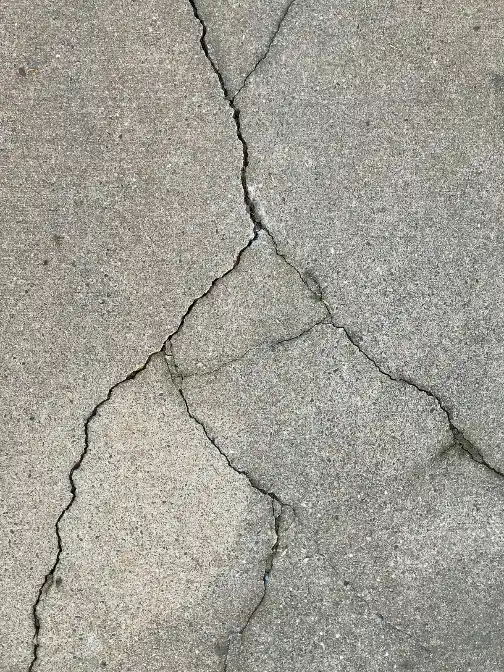
Slab leak repair options
| Option | What happens | When it fits | Ask about |
|---|---|---|---|
| Spot repair | Cut an opening in the floor at the leak, repair the pipe, patch the concrete | One leak in otherwise good pipe | Floor repair: tile, carpet and concrete patch |
| Re-route | Abandon the leaking line and run a new one through the walls or attic | Leak is hard to reach, or the line is old | Wall patches; insulation for an attic line |
| Repipe | Replace most or all of the water lines | Several leaks, or old pipe throughout | Total cost compared with repeated repairs |
There is no single right answer. Ask for two options in writing and compare them, including the cost of putting the floor or walls back.
How slab leaks are found
Plumbers usually confirm a slab leak in steps: a pressure test to see which line is losing water, then listening equipment or thermal imaging to find the spot under the floor. For drain lines under the slab, a camera or a hydrostatic test (filling the drain lines with water to see if the level drops) is used. Ask which tests are included in the price.
Who pays for a slab leak?
The water line from the meter to your house, and every pipe under your slab, belongs to the homeowner in Longview. The city is only responsible up to the meter. Homeowner’s insurance sometimes pays for the damage and for getting to the pipe, but not always for the pipe repair. Call your insurer early, take photos, and keep every estimate.
What to ask before anyone breaks concrete
- How did you confirm the leak, and where is it exactly?
- Is it the hot or cold line, or a drain?
- What would a re-route cost instead of a spot repair?
- Does the price include repairing the floor?
- Can I get the price in writing, and a second estimate?
Slab leak questions
Is a slab leak an emergency?
Not usually a minute-by-minute one, but don’t wait weeks. If water is coming up through the floor, shut off the main and call now.
Can I turn off just the hot water?
Yes: closing the cold supply valve on top of the water heater stops water flowing into a leaking hot line. You will have no hot water until it is fixed.
Will my floor have to be broken?
Not always. A re-route through the walls or attic avoids breaking the slab.
Does a slab leak damage the foundation?
Water running under a slab for a long time is not good for it. Fix the leak early and ask about any signs of foundation movement.
How long does a slab leak repair take?
A spot repair is often done in a day; a re-route or repipe takes longer. Ask for a time estimate with the price.
Think you have a slab leak?
Shut off the hot water supply if the floor is warm, then call.